TCC-CIMET, GTVET Meet Artisans at Suame Magazine on Government’s WEL Initiative
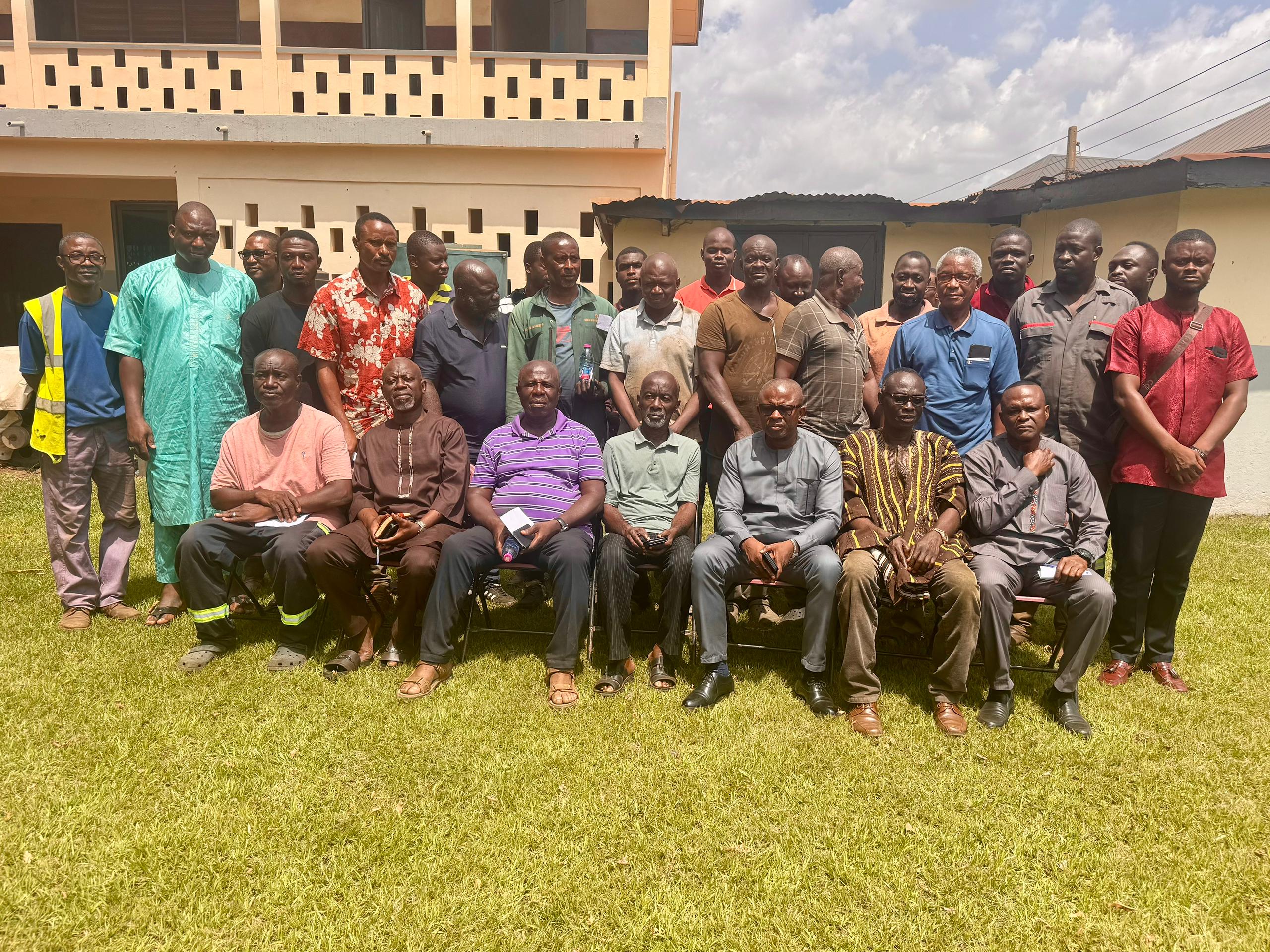
TCC-CIMET, GTVET Meet Artisans at Suame Magazine on Government’s WEL Initiative
The TCC International Centre for Innovation, Manufacturing, Technology Transfer and Entrepreneurship (TCC-CIMET), in collaboration with the Ghana Technical Vocational Educational Training Service (GTVET), has engaged artisans at Suame Magazine as part of ongoing efforts under the Government’s Workplace Experiential Learning initiative.
The meeting focused on initiating dialogue with local artisans to explore opportunities for students in the technical institutions to work with them in their establishments. This engagement forms a critical step toward aligning grassroots innovation with national development priorities.
Ashanti Regional Director for Ghana Technical Vocational Educational Training (GTVET) Mr. Richard Addo Gyamfi explained the concept of workplace experiential learning to the artisans.
“There is a significant gap between what students are taught in school and what is actually practiced in the workplace, and this is the gap we aim to bridge.
For instance, a student may be able to list the importance of a spanner because their training has been largely theoretical. However, if asked to demonstrate how a spanner is used to remove a bolt, the same student may struggle because they have not received sufficient hands-on training. This is precisely why the WEL initiative is so important.
The government, in collaboration with industry and academia, recognizes that for students to be truly workplace-ready, they must gain practical experience. That is why we are working to place students in your workshops, where they can learn directly from you and understand how things are done on the ground, he said.
He also took participants through the key stakeholders of the initiative, the roles of schools, students, parents, and artisans in ensuring its success and how the process works.
“There are several key stakeholders in this initiative, including schools, parents, students, and industry players such as yourselves. The process begins with a Memorandum of Participation between your workshop and the school. This is followed by an official letter from the school, along with a consent form completed by the student.
As part of your role, you will be required to ensure that certain standards are met, including verifying that students report with the appropriate Personal Protective Equipment (PPE) and adhere to basic safety requirements while in the workplace,” he said.
The meeting was facilitated by the Technology Transfer Production Unit (TTPU) of TCC-CIMET. It follows a collaboration between the Ghana TVET Service and Kwame Nkrumah University of Science and Technology aimed at strengthening and advancing technical and vocational education in the country.
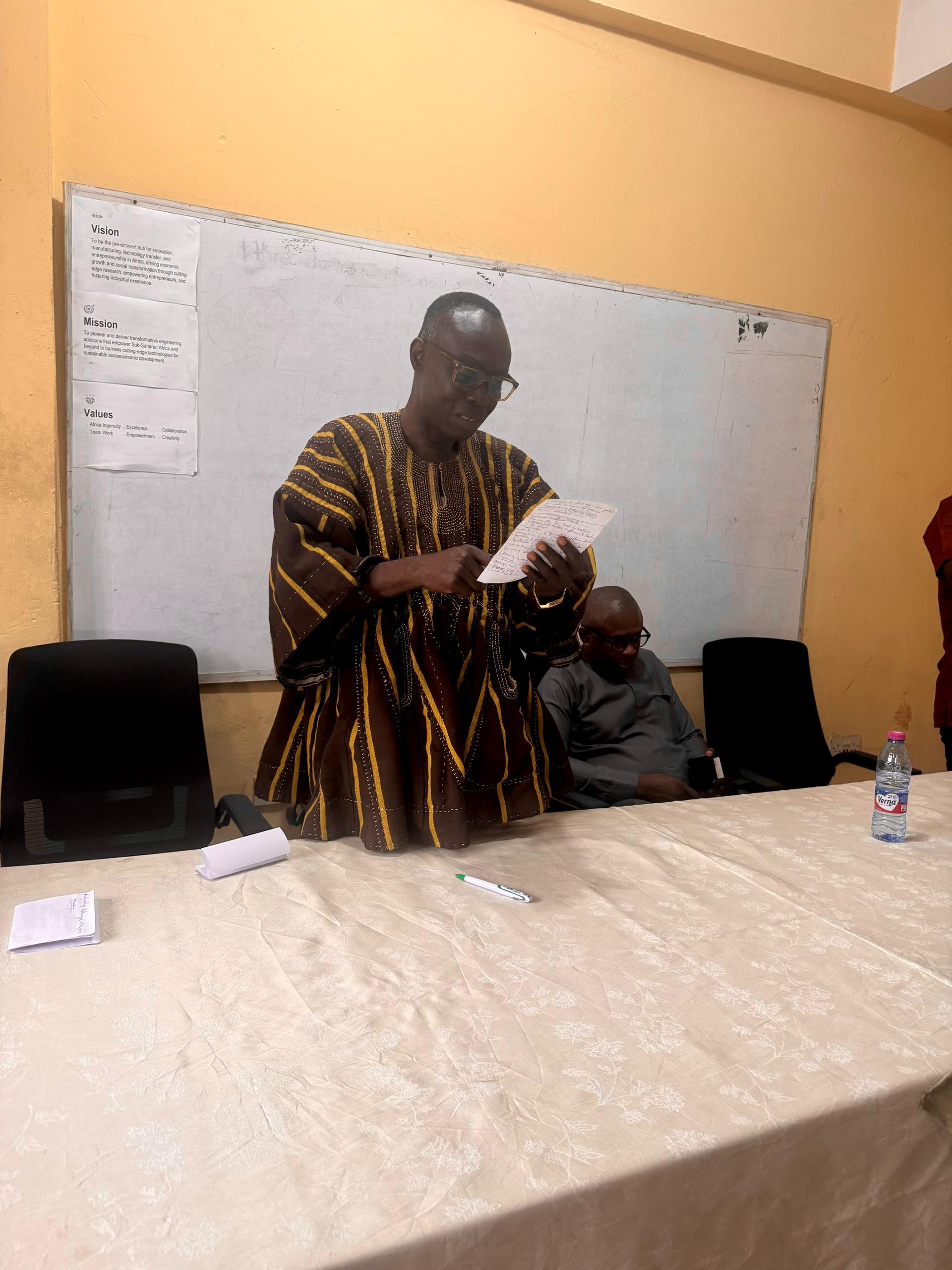
Speaking on behalf of the Director-General of TCC-CIMET, the Director of Administration and General Services, Paul Pinnamn Addade, encouraged the artisans to continue the commendable work they are already doing in training students, emphasizing the importance of their role in shaping a skilled and industry-ready workforce.
“We sincerely appreciate your efforts and the vital role you continue to play in training young people. We are aware that students from Kumasi Technical Institute (KTI) and Kwame Nkrumah University of Science and Technology have been coming to your workshops for practical training, and we have received very positive feedback about the work many of you are doing.
This initiative is about bridging the gap between what students learn in the classroom and what is actually practiced in the workplace. While students may understand the theory, it is through your guidance that they gain the hands-on experience needed to become truly competent.
That is why your role is so important. As industry players, you are key stakeholders in this process. We encourage you to continue mentoring these students, ensuring they follow proper safety practices, including the use of appropriate PPE, and exposing them to real working conditions,” he said.
The Acting Manager of the Technology Transfer Production Unit (TTPU) of TCC-CIMET also encouraged the artisans to register their businesses with the government to fully leverage the opportunities that may arise from initiatives like WEL.
Was this article helpful?

TCC-CIMET
AdminStay up to date with what's happening at TCC-CIMET and within the KNUST community
Related post:
- TCC-CIMET Management Welcomes Team Ghana Following Their Success at the Digital Action Challenge in Copenhagen, Denmark
- KNUST Partners with Obuasi Municipal Assembly for Sustainable Development
- TCC-CIMET Partners to Build Capacity for Mining Engineering Professionals in Africa
- TCC-CIMET Researcher Collaborates with ETH Zurich on Sustainable Construction
- TCC-CIMET Explores Collaboration Opportunities at Aalto University Fab Lab
- Prof. Davis Showcases TCC-CIMET at the #43rdUNESCO General Conference
- Agricultural Engineering Students Successfully Complete Internship at TCC-CIMET Cookstove Lab
- TCC-CIMET Partners with Cocoa Hackathon to Drive Innovation in the Cocoa Value Chain
- TCC-CIMET Holds 11th Management Meeting to Review Performance and Plan Ahead
- Prof. Alexander Boakye Marful Appointed Director of Business Development and Sustainability at TCC-CIMET