
Attachment
Download
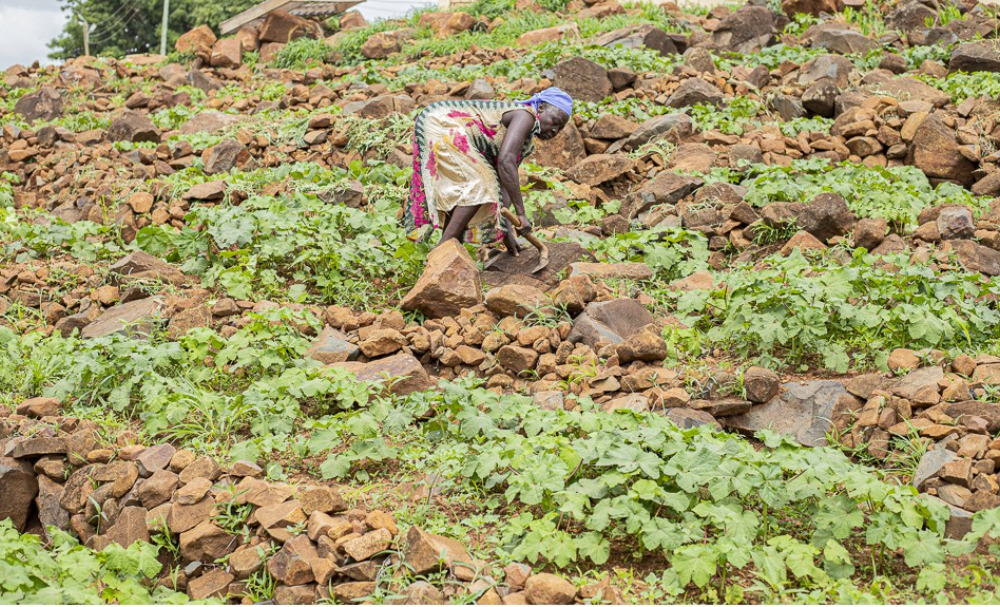
The Trans-Sahara Project is a multidisciplinary consortium led by the Technische Universität München (TUM) under the guidance of Dr. Daphne Keilmann-Gondhalekar and funded by the European Union through the Horizon Europe Framework Programme. The initiative seeks to strengthen agroforestry management across the Greater Northern African Region by applying a Water-Energy-Food Ecosystem (WEFE) Nexus-based approach. By integrating these interconnected systems, the project aims to promote climate-resilient agriculture, restore degraded landscapes, and enhance the livelihoods of vulnerable communities living in arid and semi-arid environments.
In Ghana, the project is being implemented by the Kwame Nkrumah University of Science and Technology (KNUST) through the TCC International Centre for Innovation, Manufacturing, Technology Transfer and Entrepreneurship (TCC-CIMET). Under the leadership of its Director-General, Prof. Francis Davis, TCC-CIMET serves as the national coordinating institution responsible for research, field implementation, and stakeholder engagement. As part of its mandate, TCC-CIMET is also expected to establish and manage the project’s Living Lab in Ghana. Following several reconnaissance visits and community consultations, Tindongo has been identified as the ideal location for this Living Lab, where innovative agroforestry, water management, and community co-creation activities will be tested and refined.
Principal Investigator, Dr. Ing. Alexander Boakye Marful, noted that this initiative represents a timely and strategic response to the multifaceted environmental, socio-economic, and climatic stresses affecting communities across Africa’s dryland regions. He emphasized KNUST’s strong commitment to fostering community-centered innovation and developing practical, scalable solutions that improve resilience, restore ecosystems, and drive sustainable development.
Spanning a three-year implementation period, the project will create the space needed to design, test, and refine context-specific interventions from agroforestry models and water-efficient farming practices to community-based monitoring systems. This duration also provides an opportunity to strengthen partnerships, gather critical evidence, and scale successful strategies for long-term adoption across Ghana and the wider region.

Stay up to date with what's happening at TCC-CIMET and within the KNUST community